
A nonprofit film has two audiences with different needs. Donors, funders, and board members want to see the organization's impact. The people featured in the film, often the ones the organization serves, need to be treated with care and shown with dignity. Good planning keeps both in view from the first meeting, and most of it happens before a camera is booked.
Start with the deliverables and the date
Communications teams often ask for "a video" and mean five. Write the full list in the first meeting, then work backward from the hardest deadline. For a spring gala:
| Deliverable | Length | Aspect ratio | Due | Needs from the shoot |
|---|---|---|---|---|
| Gala film | 3 to 4 min | 16:9 | May 2 (screening) | Full interviews, program b-roll |
| Donor appeal | 90 sec | 16:9 | May 9 (email campaign) | Strongest story, a clear ask |
| Social cutdowns (x3) | 30 to 60 sec | 9:16 and 1:1 | May 12 | Vertical-safe framing, captions |
| Grant report video | 2 min | 16:9 | June 30 | Program activity, outcomes |
| Anonymized version | 3 min | 16:9 | May 2 | B-roll without faces |
Once the gala film is due May 2, back up two weeks for board or leadership review and revisions, three to four weeks for the edit, and the shoot lands in late March. Scouting, consent conversations, and approvals fit in the weeks before that. The vertical and square cutdowns mean the DP should frame with a margin, and the anonymized version means extra b-roll of hands, spaces, and activities. A deliverable nobody mentioned until the edit usually means a pickup shoot.
Consent comes before scheduling
Interview subjects in nonprofit films are often clients, patients, students, or people in crisis. Their consent needs more than a signature at the door. A process that works:
- Staff who already know the person make the first approach, explain the project, and ask if they're interested.
- The producer meets or calls them before the shoot to explain where the film will appear (a gala, the website, social media), for how long, and who will see it.
- They get the talent release ahead of time in plain language, in their preferred language, with time to ask questions. Offer options like first name only, voice only, or no identifying locations.
- On the day, confirm again before recording.
- Tell them how to reach the organization if they change their mind before publication, and follow through.
Minors need a parent or guardian's signature, and schools, clinics, and shelters usually have their own media policies, which can be stricter than the law. Get the organization's legal counsel to review every form. Build interview questions with the program staff so nothing surprises the subject, and let the subject stop at any point.
Scheduling at program sites
Program sites are working places. A food bank's busiest hours make the best b-roll and the worst interview audio. A school may allow filming only in certain rooms or with students whose parents opted in. Schedule interviews in quiet hours and b-roll during activity, and have staff on hand to tell participants who aren't in the film that a crew is present. Location releases are still needed for sites the organization doesn't own, including partner agencies.
Budgets that match the funder
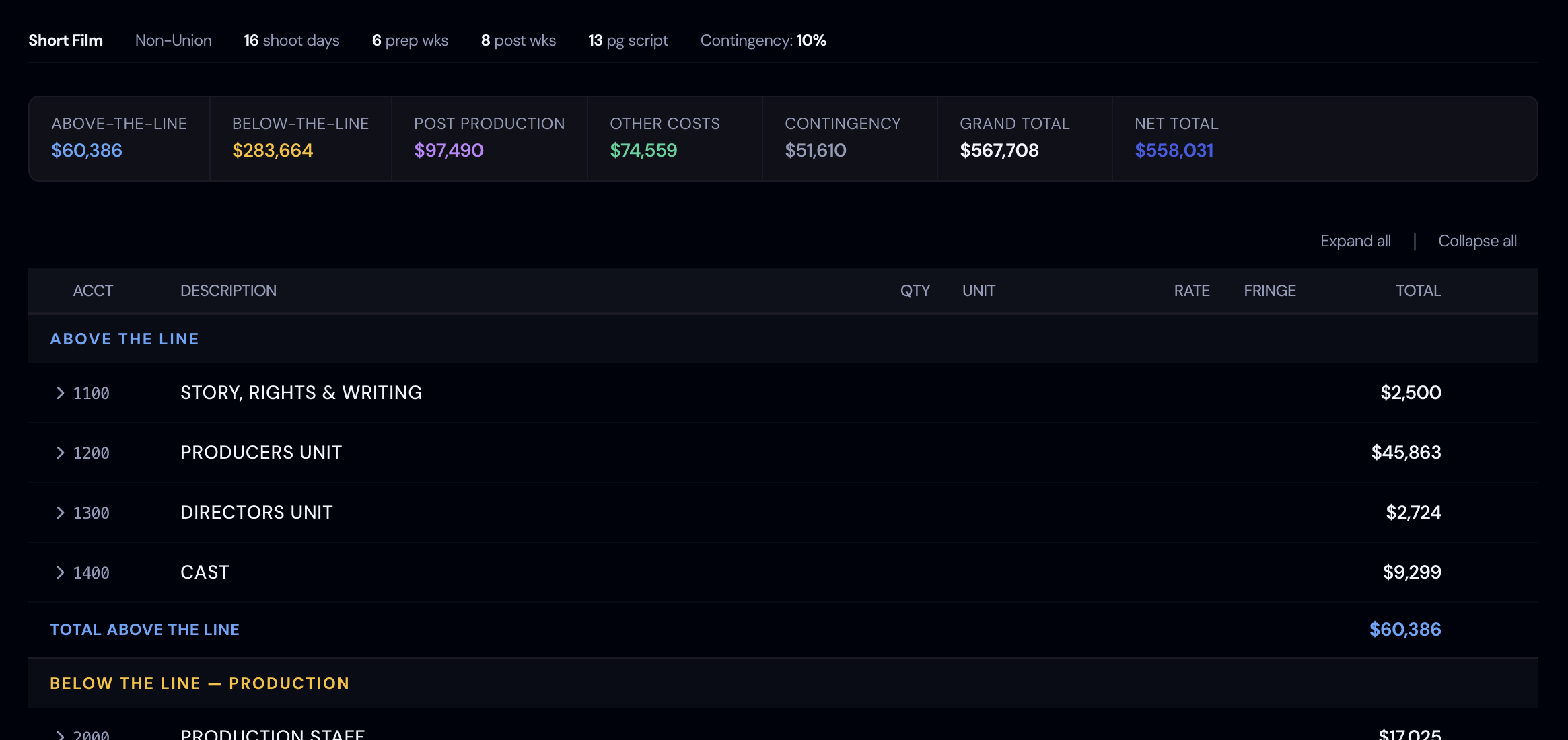
Funders often ask for a budget in their own template, with categories that don't match a film chart of accounts. Build a line-item budget first (crew days, gear, travel, post, captions, music licensing), then map it onto the funder's form. Count donated services, like a discounted crew rate or free gear from a rental house, as in-kind contributions at their real value. Many funders want to see total project cost, cash plus in-kind. The documentary budget template is a close starting point, and the film grants guide covers where the money can come from.
Mistakes on nonprofit shoots
- Filming a subject who agreed only because staff asked, without a real consent conversation.
- Music licensed for the gala screening but not for YouTube.
- No captions. A lot of social video plays with the sound off, and accessibility matters to funders.
- A crew of volunteers with no insurance and no one in charge of safety.
How Storiara fits
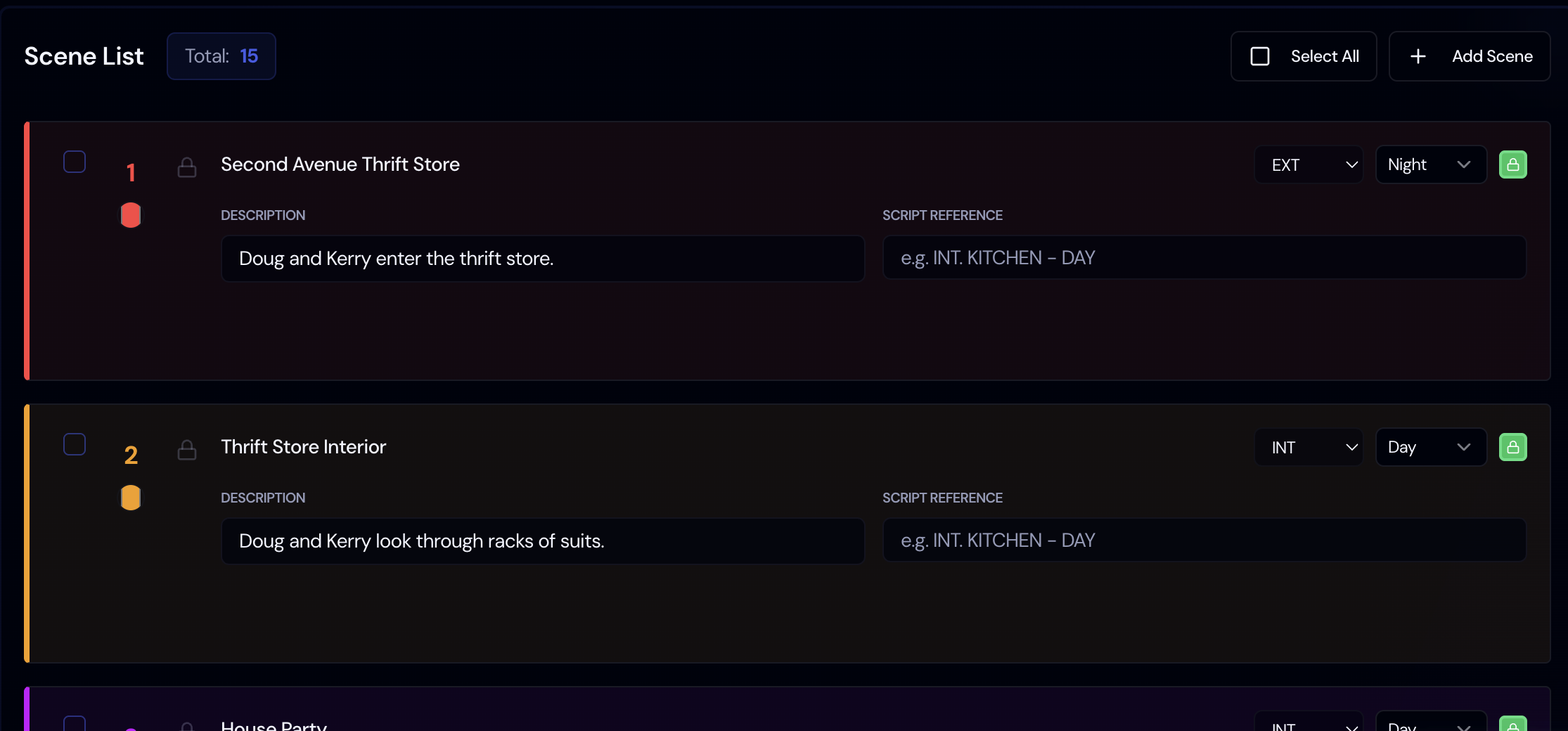
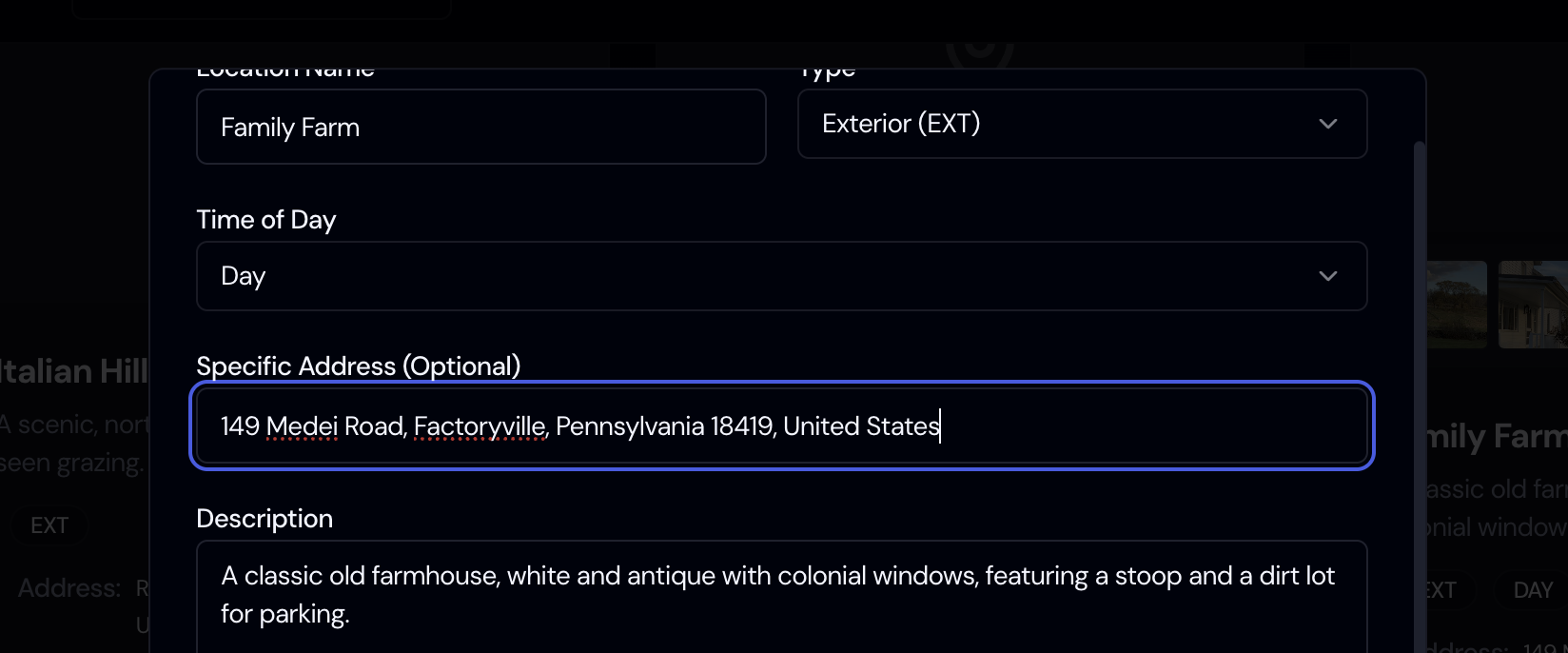
Storiara handles scripted projects from a PDF, Word, or Final Draft file, or interview-based projects as Unscripted with scenes added by hand. Program sites go in Locations, subjects and volunteers get availability requests, the Shared To-Do list tracks each release and approval, and the budget exports to Excel so you can move it into a funder's template.